Raspberry Pi lands MPEG-2 and VC-1 decoding through personal licenses, H.264 encoding and CEC tag along

Making the Raspberry Pi affordable involved some tough calls, including the omission of MPEG-2 decoding. Licensing fees alone for the video software would have boosted the board's price by approximately 10 percent. Now, after many have made media centers with the hardware, the foundation behind the project has whipped up a solution to add the missing codec. For $3.16, users can purchase an individual MPEG-2 license for each of their boards on the organization's online store. Partial to Microsoft's VC-1 standard? Rights to using Redmond's codec can be purchased for $1.58. H.264 encoding is also in the cards since OpenMax components needed to develop applications with the functionality are now enabled by default in the device's latest firmware. With CEC support thrown into the Raspbmc, XBian and OpenELEC operating systems, a single IR remote can control a Raspberry Pi, a TV and other connected gadgets. If you're ready to load up your Pi with its newfound abilities, hit the source link below.

Update: The Raspberry Pi Foundation let us know that US customers won't have to pay sales tax, which means patrons will only be set back $3.16 for MPEG-2 and $1.58 for VC-1 support, not $3.79 and $1.90 for the respective licenses. We've updated the post accordingly.

[Source: Engadget]

Insert Coin: SmartThings wants to connect your dog, mailbox and kitchen cabinets to the internet

Sometimes you just can't remember if you turned off the toaster oven before leaving the house. Sitting at work, you might wonder, "is my house burning down?" or "should I go home and check?" You could run home, of course, or you could just link that croissant cooker up to the internet and switch it off from your phone. SmartThings promises to let you do just that, offering a system that connects everyday physical objects to a cloud-based control center. The project aims to provide users with a bevy of end-devices -- automatic door locks, thermostats, humidity sensors, presence sensors, power outlet switches and more -- that connect to a router-like SmartThings hub. From here the user can easily see and control these devices on the SmartThings mobile app.

That alone would be pretty handy -- but the SmartThings team decided to take it a step further by building SmartApps, that is, applications for further customizing how SmartThings devices (and the user) interact with the every day objects they're attached to. The platform is going to remain open, too, allowing owners and developers to build custom applications to fit their needs. Better still, the project is on a tight time line, and aims to put its product in backer hands by December -- of course, it'll have to reach its $250,000 Kickstarter goal first. Check out the team's pitch after the break, or hit up the source link below for more details.

[Source: Engadget]

Google Nexus 7 overclocked to 2GHz, punches well above its weight

The stock Nexus 7 peaks at a 1.3GHz clock speed when it's at full burn. That's certainly good enough for the $199 price tag, but eager adopters have just hit a new record in trying to wring out even more of a bang for the buck. Courtesy of a custom Elite kernel from XDA-Developers' Clemsyn, the Tegra 3 in the mini tablet will scale all the way to a heady 2GHz. You'd be right in suspecting that it leads to some dramatic speed boosts: the Nexus 7 at this pace can put a Transformer Prime to shame in common benchmarks, let alone most smartphones. Reaching the loftier heights of performance does require nerves of steel, however. The Elite kernel is very much a rough build that the creator doesn't yet trust with the public, and NVIDIA's processor is already known to get toasty under significantly added stress. There's hope a refined kernel will make for a safer venture into unknown territory. If you can't wait to throw at least some caution (and the warranty) to the wind, though, hit the second source link for code that will reach a slightly less melt-prone 1.8GHz.

[Source: Engadget]

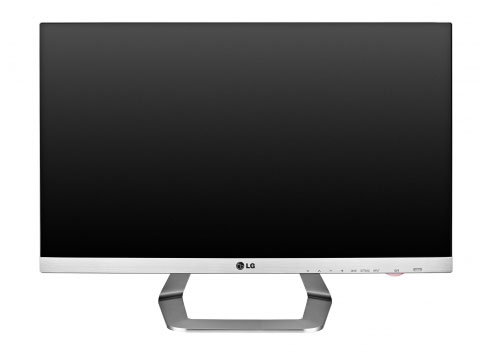
LG announces 27-inch Personal Smart TV ahead of IFA

No room in your apartment for LG's upcoming 84-inch monster? Don't worry, the Korean outfit has something in your size, as well. The company's TM2792 promises the same Cinema 3D passive glasses technology as its big brother in a more compact 27-inch frame. The tube also promises to play nice with your other devices, featuring a MHL and WiDi for screen and content sharing. No word on pricing yet, but LG says the Personal Smart TV should land in European markets this September. Hit the break for the official press release, or sit tight: LG is bound to reveal more at the TV's official IFA debut.

[Source: Engadget]

One year of Tim Cook as CEO of Apple

Exactly one year ago today, Tim Cook took over the leadership of Apple from Steve Jobs. CNET's Josh Lowensohn reports that his first year at the company has been a huge success.

Not everyone believed that Cook, who had filled in for Jobs twice during his battle with pancreatic cancer, would keep the company on its incredible journey. When the announcement of his appointment as CEO was made, Apple's stock dropped more than $6 a share. But now the stock is up 44 percent over its value at this time in 2011 and Apple was recently named the most valuable company in the world in terms of market capitalization.

During Cook's first year, the company continued to see revenue growth outpacing the rest of the industry during a worldwide recession, continues to fight patent battles against rivals in court to assure that Apple (in the words of Cook) "not become the developer for the world," and has released follow-ons to its highly successful products.

However, some Wall Street analysts believe that Apple's future is bleak without the charisma of Jobs at the helm. Forrester CEO George Colony was quoted in April as saying that "Apple's momentum will carry it for 24 to 48 months, but without the arrival of a new charismatic leader it will move from being a great company to being a good company."

[Source: TUAW - Read more here]

Facebook speaks out on the big app rebuild

We posted about the Facebook app update the other day, and if you haven't updated your app yet, you really should. The app is a prime example of why native development is almost always better than trying to do things with cross-platform web connections, and why it's so important, even for an online service like Facebook, to make sure an app performs well on a given platform. If you're interested in reading more about the process, Facebook has posted a substantial article over on its own Facebook page, walking through why this change was made and exactly how it was done.

It's very interesting to read behind the technical scenes of how this update was created. The app essentially works in the same way that the previous version does, but it was built from the ground up in iOS' native Objective-C. The changes were all core to the process of running the app rather than UI developments, and if you have any development experience, it's wild to see the giant Facebook deal with the same issues that other iOS developers face.

Of course, the drawback for all of this is that while the original HTML 5 app was relatively easy to update, this new app requires a little more code tweaking to change even basic things in the app. Facebook has done its best to build things as modular as possible (the new app even uses some of the code from the standalone Facebook Messenger app), but going forward, a more solid foundation may mean we have to wait longer for changes.

[Source: TUAW]

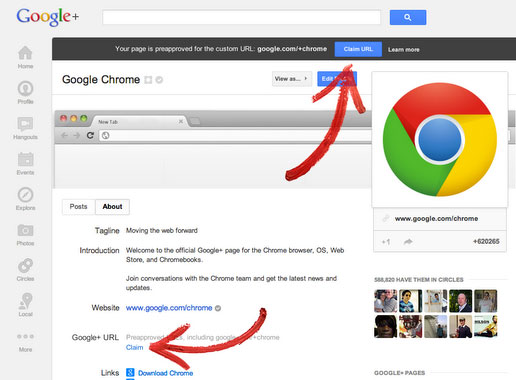
Google+ expands custom URLs to 'thousands more' pages and profiles

If you're lacking the mental perspicacity to memorize that bizarre string that constitutes your Google+profile (or business page) we've got some good news -- Google's continuing its roll-out of custom URLs to its most popular social network pages. You'll have to make sure that you stake a claim to your pre-approved URL when the box appears on your page -- fortunately it's pretty hard to miss, sticking out along the top of your well-known profile / page. Lesser known brands and 'personalities' will have to wait a little longer, but Product Manager Saurabh Sharma says that the custom URLs will continue to trickle down the system "in the future."

[Source: Engadget]

Apple releases Mountain Lion 10.8.2 build to devs, focuses on Facebook, iMessage and more

Shortly after letting the 10.8.1 Mountain Lion out of the bag, Cupertino's now released the next dotted version of its feline OS X to members of the developer community. According to the seed note, this early release will be focusing on a slew of social areas as well as other handy applications, including Facebook, Messages, Game Center, Reminders and, of course, the company's own web browser, Safari. As is usually the case with these young builds, Apple suggests you install it on a machine "you are prepared to erase if necessary," though something tells us you were already well aware of that. But in case you do want to install v10.8.2, you'll find the rest of the deets at the Apple Developer site linked below.

[Source: Engadget]

Google Goggles update brings support for devices without autofocus

If you thought Google's perspicacious searching application was clever before, prepare for a shock. Google Goggles version 1.9 adds support for devices without autofocusing optics, giving those on budget gear a chance to use the real world as a search box. Point it at a QR code containing a URL, and it'll show you a thumbnail of the page and check its credentials against its blacklist of malicious sites. If it comes up short when searching for a product, it'll even search for similar-looking items to help you find what you're looking for, and it's available from the Play store for free -- so you don't really have any excuse.

[Source: Engadget]

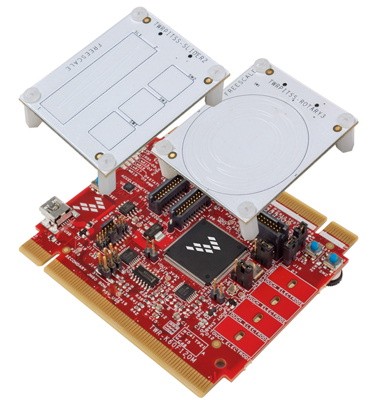
Freescale's new industrial touchscreen tech even works in the rain

Freescale is announcing a new industrial touch sensing technology that'll even sense your swipes and prods through a film of water. Xtrinsic 3.0 is designed to be used in industrial, medical and in-car systems, with pre-built user interfaces ready to be added to any device its jammed inside. In addition to being able to work through water, it can withstand noise, detect electrical interference and reduce false touches. It's being demonstrated at the company's technology forum in India from today, presumably ready to be licensed by passing equipment manufacturers in short order.

[Source: Engadget]

Kodak to sell the film business that made it so famous

Kodak is selling off its renowned film arm in order to revive its moribund fortunes. It'll join sales of the company's patent portfolioonline gallery, commercial scanning, photo kiosk and theme park businesses so it can concentrate on a not-yet successful printer enterprise. It needs to raise more than $660 million to pay back creditors before it can emerge from Chapter 11, which it aims to do early next year -- but not in any form that we're likely to recognize.

[Source: Engadget]