
The shift from generative AI to Agentic AI represents the most significant leap in technology since the smartphone. While traditional AI acts like a knowledgeable librarian, Agentic AI functions as a digital employee—capable of reasoning, planning, and executing complex workflows without constant human oversight. Instead of just writing an email, these agents can manage your calendar, book travel based on your preferences, and coordinate with other bots to finish a project.
To harness this power at home or in a startup environment, specific hardware is becoming essential for developers and power users to run and test these autonomous models:
Apple 2025 MacBook Pro (M4 Max): Agentic workflows require massive on-device processing power. The M4 Max chip is specifically built for "Apple Intelligence," providing the unified memory and neural engine necessary to run local autonomous agents that handle private data securely without relying on the cloud.
NVIDIA GeForce RTX 5090 Graphics Card: For those building their own agents using frameworks like AutoGPT or LangChain, local GPU power is king. The latest Blackwell architecture from NVIDIA offers the high VRAM capacity required to maintain the "long-term memory" and reasoning loops that define agentic behavior.
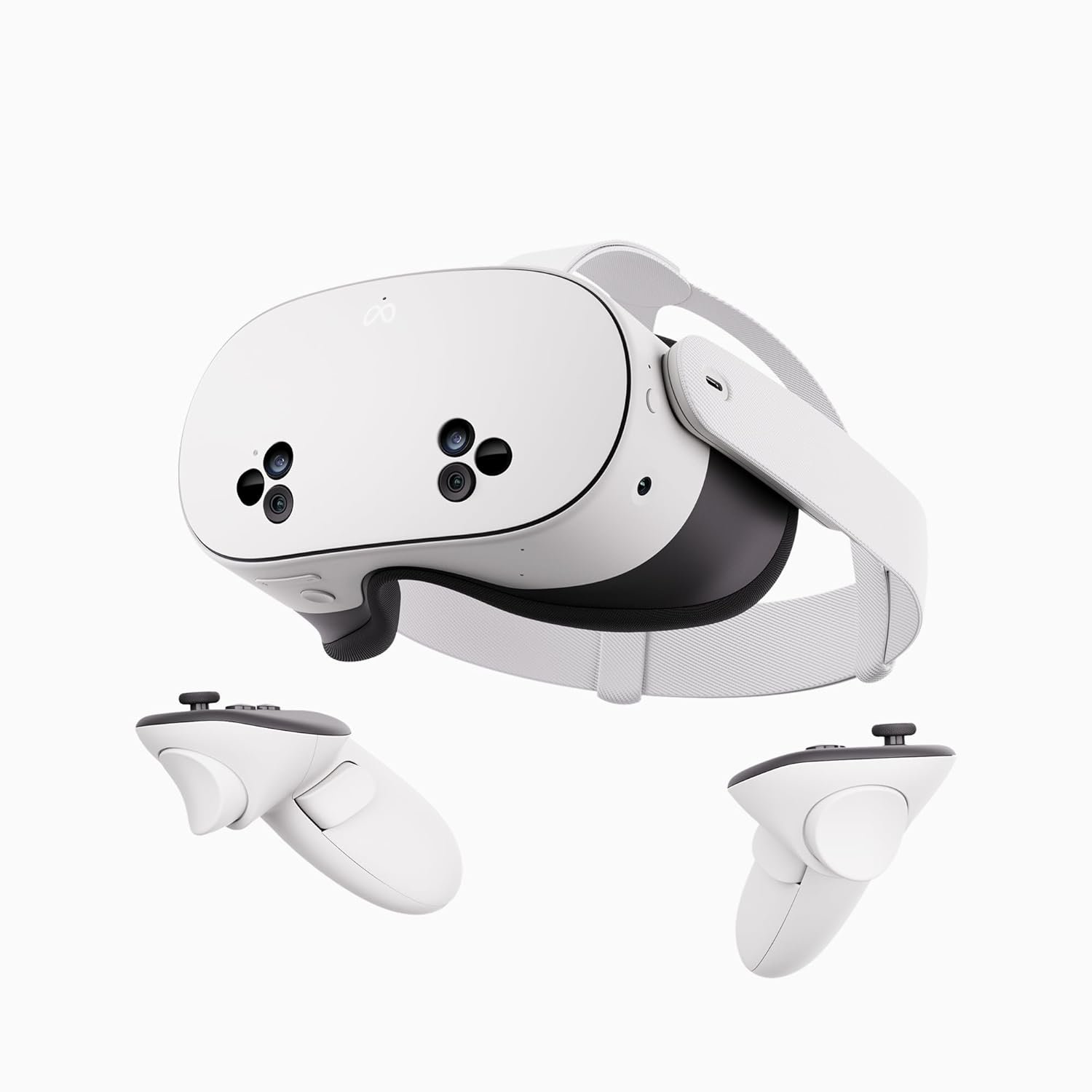
Meta Quest 3S: As AI agents move into physical and mixed-reality spaces, the Quest 3S acts as a vital interface. Developers are currently using these headsets to create "Spatial Agents"—autonomous digital entities that can assist with complex manual tasks through augmented reality overlays.
The rise of these agents marks the end of the "prompt era" and the beginning of the "objective era." Soon, we won't tell computers how to do something; we will simply tell them what to achieve, and they will figure out the rest. For the tech-savvy professional, staying ahead means investing in the advanced hardware capable of supporting this autonomous future.