Apple vs Samsung retrial: Samsung ordered to pay $290 million, for a grand total of $890 million

And just like that, the Apple vs Samsung partial retrial is over. The jury in San Jose reached a verdict today, after it began deliberations on Tuesday.

The verdict is in Apple’s favor: Samsung was ordered to pay approximately $290 million for infringing five of Apple’s patents, including one that referred to the design of the original iPhone. The jury found that Samsung infringed its rival’s intellectual property on 13 devices, most of them no longer on sale. While the $290 million award is significantly lower than the $380 million that Apple requested, it’s still a hefty sum and way more than what Samsung said it should pay, which was just $52.7 million...

Read the full story here... Source: Android Authority

T-Mobile Galaxy S3 Android 4.3 update released for T999 model

A new Galaxy S3 Android 4.3 Jelly Bean update is available for users to install, this time for the 3G T-Mobile version (model number T999), although you should remember that various Galaxy S3 owners had issues with similar updates, albeit in other markets.

As expected, the update is available either as an over-the-air (OTA) download on the phone, or via Samsung Kies. Furthermore, the update measures 486MB, so you should make sure you have a dependable Internet connection and enough battery juice to go through it...

Read the full story here... Source: Android Authority

Google rolls out KRT16S bug fix to Nexus 7 (2012 & 2013) and Nexus 10

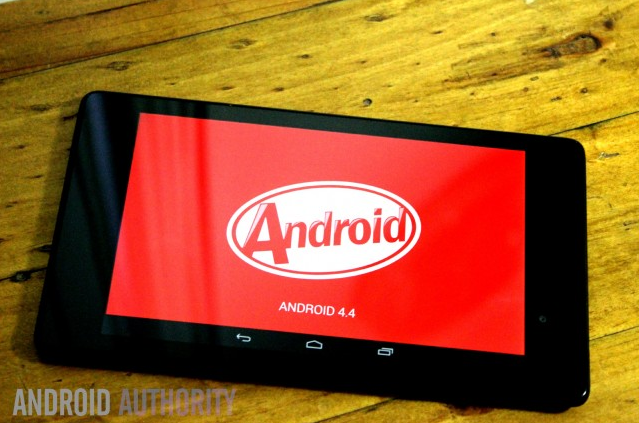
Wednesday was a busy days for updates, with Android 4.4 KitKat rollouts to the Nexus 4 and the Verizon Moto X, and a bug squashing update for Google Nexus devices.

The update, which has already begun rolling out to some users as an OTA, brings the build number to KRT16S, from the KRT16O of the original KitKat build that rolled out last week. This update applies to the Nexus 7 (2012) WiFi, the Nexus 7 (2013) Wi-Fi, and the Nexus 10...

Read the full story here... Source: Android Authority

Galaxy Gear update brings full notification support to Samsung’s smartwatch

The Galaxy Gear is Samsung’s first attempt to break into the wearable computing market, but so far reception has been fairly lukewarm.

The Gear is a pretty cool looking gadget with a lot of potential, but the problem is that it also arrived to store shelves feeling  a bit unfinished. Not only did the Gear solely support the Note 3 at launch, it also has been hindered by limited apps and a notification system that often requires you to whip out your phone to actually find out what’s going on...

Read the full story here... Source: Android Authority

Rumor: LG G Flex coming to AT&T, Sprint and T-Mobile

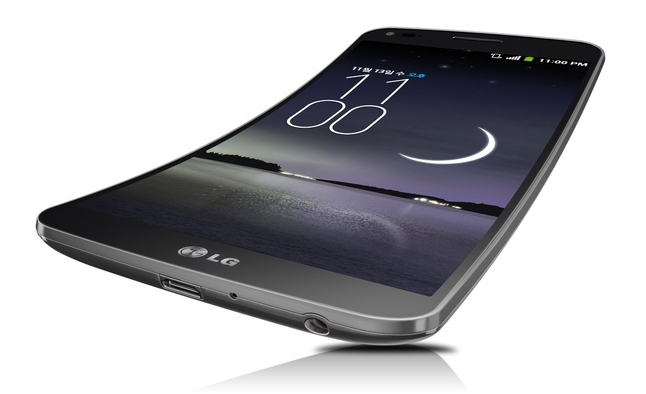
A short tweet from a well-known leaker reveals that one of the first two flexible display smartphones will arrive in the USA at some point in the future.

So far, the LG G Flex has launched in South Korea and is confirmed to arrive in France via local mobile operator Orange...

...While @evleaks has posted mostly accurate leaks, we’re going to remind you that LG is yet to make the launch official, so don’t get excited just yet.

However, what’s interesting in case the rumor turns out to be true is that LG may beat Samsung when it comes to launching the first flexible display smartphone in the USA...

Read the full story here... Source: Android Authority

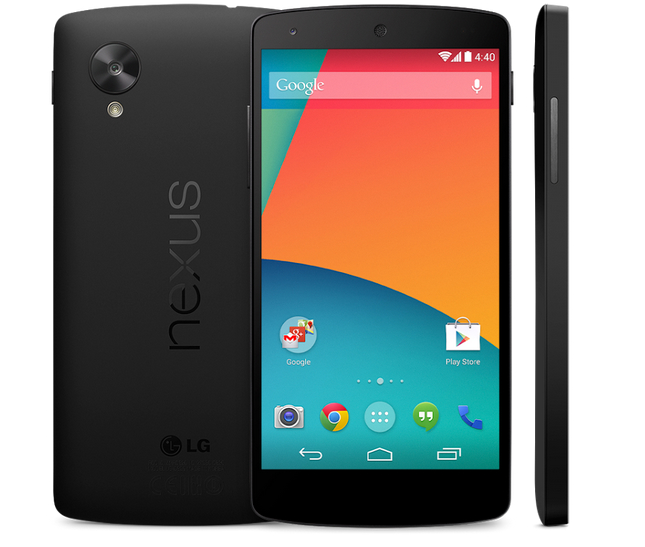
T-Mobile Nexus 5 launches online for $449.99, only 16GB model available

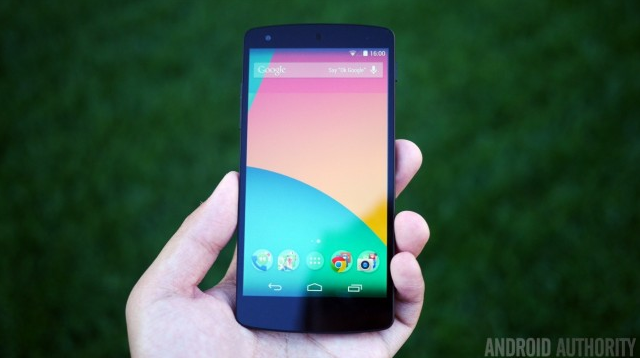
T-Mobile has kicked off Nexus 5 sales on its website, at a time the handset is not exactly available any more from Google’s Play Store (or at least the version the carrier is selling).

As previously announced, the T-Mobile Nexus 5 retails for $449.99, a full $100 more than the phone’s starting price in the Play Store – we’re looking at the 16GB model here.

T-Mobile offers Nexus 5 buyers the possibility of paying for the handset in 24 installments of $17 each, after a $41.99 up front fee...

Read the full story here... Source: Android Authority

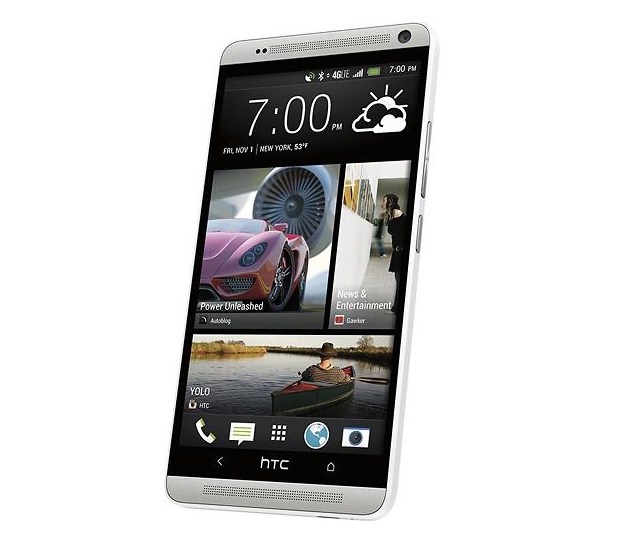
Sprint HTC One Max to launch on November 15, for $249.99 on-contract

After being accidentally listed by Best Buy and Sprint a few hours ago, the HTC One Max has been confirmed to arrive on the Now Network on November 15 for $249.99 on-contract.

The carrier also sells one of the HTC One Max’s main rivals, the Galaxy Note 3 for $249.99 with new contracts.

The phone can be pre-ordered from Best Buy (check out the Source link below), with the retailer listing it for $249.99 with new two-year contracts from Sprint, and $749.99 off-contract. Sprint is only taking pre-registrations at this time...

Read the full story here... Source: Android Authority

Motorola teases low-cost Moto G unveiling for November 13

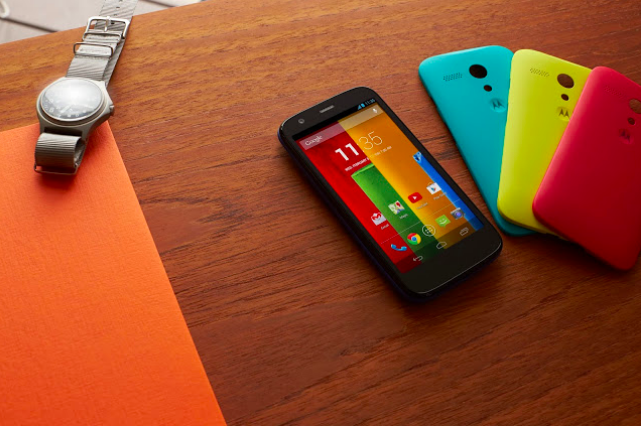
Here comes the Moto G. After Motorola’s website team spilled the beans on the low-cost device last week, the company is now officially teasing the Moto G for a November 13 debut.

For now, the teaser page Moto-g.com doesn’t reveal much aside the aforementioned date, but the tiny planet theme and the fact that the November 13 date is displayed in multiple languages suggest that the Moto G will enjoy an international release, just like rumors predicted. Users can sign up for an online live announcement, so some kind of livestream launch event is possible...

Read the full story here... Source: Android Authority

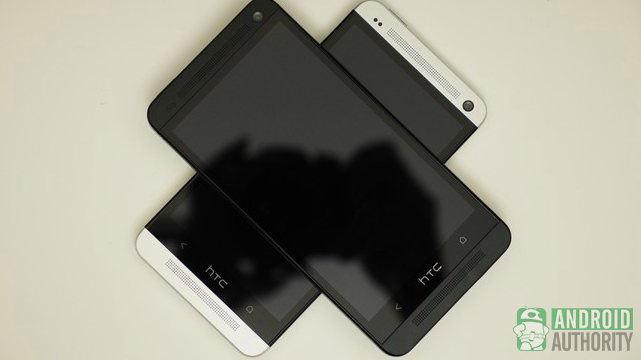
U.S. HTC One handsets to receive KitKat in 90 days or less, carriers included

Android 4.4 KitKat is almost here, at least for Nexus owners. For the rest of the Android world, the wait is generally much longer. On Motorola’s part, they’ve already began teasing that they will soon unveil their KitKat plans. How about the other manufacturers, any word? Actually, HTC isn’t just hinting at its KitKat plans, they’ve pretty much fully disclosed them – at least for the HTC One...

Read the full story here... Source: Android Authority

Entertainment on the Move

When the iPad was originally launched, tablet devices were launched into the limelight. It goes without saying that Apple were not the first, but they made this category of device sexy and created an experience that many did not know they wanted, until they had handled one of these new wonders. Since the first generation iPad was so successful, many other manufacturers frantically played catchup.

To a certain degree they have, with many manufacturers backing the Google Android platform. Whilst the hardware may not be as sexy, the ecosystem is definitely developing. The selection of apps on the Google Play Store is now more than acceptable, making the myriad of devices from the likes of Samsung, Asus and Acer (to name just a few) very viable options. My personal opinion is that they are not quite as tied in service-wise, whereas the Apple iPad is very good at synchronising with the likes of an Apple desktop or laptop.

This new category, for a long time, has been thought of as an ideal way of consuming media, but not necessarily creating. Things are pretty good, with regard to photo manipulation, simple spreadsheets, text documents and the like, but anything more than that is often a compromise. I do take notes on my iPad, but anything more than that and I grab my laptop, or sit down at a desktop computer.

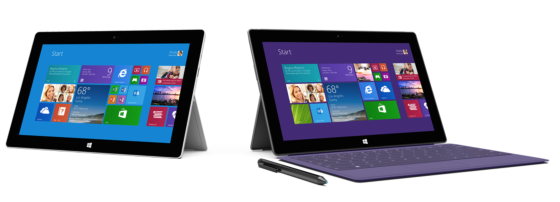
Whilst these two platforms battle it out, Microsoft is sitting in the wings. It dipped its toe into the water with the Surface RT and Surface Pro, which were a hard sell due to lack of apps. However, with their most recent offerings, the Surface 2 and Pro 2, things have improved. Apps that were missing first time around are now appearing with around half of the mainstream titles not available at original launch, now in the Windows App Store.

Whichever platform you choose, all of these devices have something in common. They are all great entertainment devices. Awesome for playing back videos, music, playing games etc. The internet browsers add yet another dimension and allow you to play online games. You might even be able to increase your riches too, by trying your luck at Blackjack, Slots or Roulette on Casino.com who, like many websites, have enriched their experience for mobile devices. So whether it's online shopping, emails, surfing the internet or staying in touch with friends & family, this new breed of tablet device is here to stay and I am certainly thankful that Apple made this category popular again.


Sprint Nexus 5 reportedly spotted on carrier’s website

After hearing that Sprint may carry the Google Nexus 5 once the handset becomes official, we’re now looking at alleged Nexus 5 press images that were reportedly discovered on Sprint’s website.

An Android Headlines tipster has apparently found “plenty of pictures of the Nexus 5 on Sprint.”

As you can see in the gallery below, the press renders look very much like the ones we saw a few days ago, but there’s no way to tell whether they come indeed from Sprint’s servers or not. The device is not Sprint-branded, and it will be interesting to see whether the Nexus 5 will have any kind of carrier branding – the Sprit Galaxy Nexus did have a Sprint logo on the back...

Read the full story here... Source: Android Authority

Devices for People Who Never Switch Off

The modern smartphone generation seem to be constantly attached to their gadgets and more clued up than ever before about the latest developments in the tech industrythat would have blown many of us away ten years ago, because we simply didn’t have any idea what they were on about.

Such has been the advancement in technology over such a short period of time, businesses are now able to encourage – and almost expect – their employees to use the devices at their disposal to stay on top of work-related issues even when they’re away from the office. Some people just naturally stay ‘switched on’ with emails coming through to their own devices and taking calls even when at home, while others have been allowed to get involved with the latest enterprise trend, Bring Your Own Device to help boost productivity. 

BYOD – as it is also known – is an innovation that lets employees use their own range of smartphones, tablets and laptops in the workplace rather than having to use those provided by the company, meaning that they can be much more productive because they’re not having to deal with different platforms and operating systems every time they work in a different location. Cloud computing and enterprise mobility have opened the door to all kinds of mobile business possibilities, and people who were struggling to handle technology – in any form – ten years ago, are now embracing whatever they feel can be beneficial in their professional and personal lives.

A lot of people are criticised for working too hard, sending and receiving emails at all times of day and night, but it can be argued that they’re committed to their job and trying to go above and beyond the call of duty. If they’re going to be working at all hours, they want to take advantage of the latest technology and security to make sure that they’re fully equipped, and that their data is safe. Devices would include:

Laptops

Laptops started this trend, with people able to access their files and emails from wherever they wanted to. Whether it was an important news article they were working on, a spreadsheet to present to the board, or a presentation that would help to seal a new contract for the company; employees were now able to do their work from a mobile device rather than having to sit at the office PC late into the night which ruined their family life.

Smartphones

The development of the smartphone changed a generation, quite simply. All of a sudden users were able to do just about anything from one small, handheld devicewith the BlackBerry among the first smartphones designed for business with access to emails, instant messaging and the Internet. Mobile security has had to be developed in the same way to anti-virus and firewalls on computers because of the digital data trail left behind when emails and messages are sent between devices, which has actually proven to be a huge challenge to administrators in recent years with BYOD playing a key role.

Tablets

The latest of the great innovations, tablet computers are being used in business for a variety of purposes, with apps and programmes enabling people to work from any location and even to control presentations using their device.