GeekanoidsTwitterInstagramFacebookBrotherUKAdvertAdvert

Windows 8 PC sales reportedly 'well below Microsoft's internal projections'

It's been three weeks since Windows 8 was released to the masses, but it's still not clear how the new — and polarizing — operating system has been accepted by consumers and businesses alike. However, Microsoft insider Paul Thurrott has now offered just a bit of information on how the Redmond-based company is viewing the OS' first few weeks on market. Citing one of his "most trusted sources at Microsoft," Thurrott reports that sales of Windows 8 PC's are disappointing and "well below Microsoft’s internal projections." The source says that, internally, the blame is being placed on manufacturers' "inability to deliver."

No matter the trustworthiness of Thurrott's source, the report does leave something to be desired when it comes to hard stats. The only number we've received from Microsoft to-date is that it sold four million Windows 8 upgrades in just a few days. It's difficult to know for sure why sales of new PCs are disappointing, but it does mean that consumers and businesses are likely comfortable keeping on with their Windows 7 or earlier hardware — not a wholly unexpected result. Still, we're sure rumors will be flying considering the timing of former Windows head Steven Sinofsky's departure earlier this week.

[Source: The Verge]
Microsoft announces SkyDrive SDKs for .NET and Windows Phone 8, highlights web integration

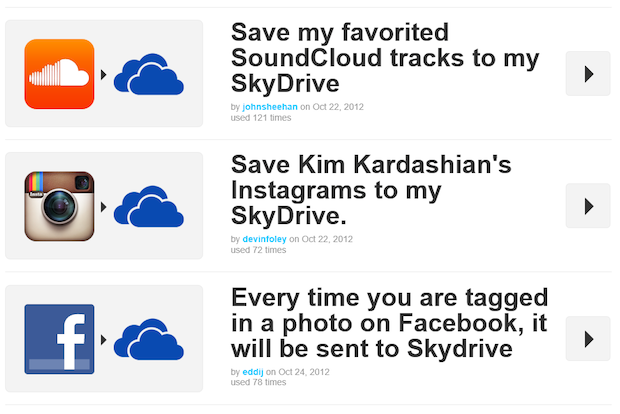
After the introduction of new APIs last year, Microsoft has released SkyDrive SDKs for almost every major platform including Windows 8, JavaScript Web library, Android and iOS. Now the cloud service has opened its doors to more of Microsoft's own with new SDKs for .NET and of course, Windows Phone 8. To entice even more developers to its side, the team at SkyDrive also integrated with services like IFTTT (If This Then That), which lets you customize action triggers between different web services, DocuSign, an electronic signature site and SoundGecko, a text-to-audio transcription service. It'll likely take a lot of work for SkyDrive to win over fans of Dropbox and Box.net, but opening up its doors to developers is a step in the right direction.

[Source: Engadget]

Internet Explorer 10 preview for Windows 7 could be available tomorrow

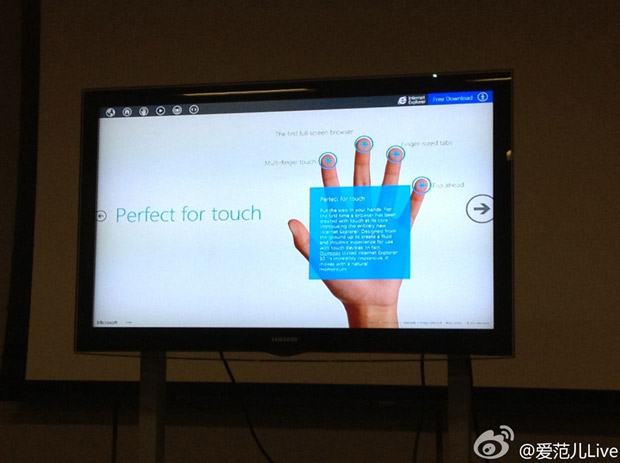
Microsoft may well be releasing the preview version of Internet Explorer 10 for Windows 7 tomorrow, if tech blog ifanr has got it right. A Weibo post from the Chinese site claims that Roger Capriotti, Director of Product Marketing for IE, announced the news during a press event in Beijing today. It wouldn't come as that much of a surprise, as it fits nicely with the mid-November slot Microsoft penned in last month. There's still no word on when the final version might be ready, but if you'd like to try a little MetroWindows 8 style browsing on that Windows 7 machine, expect your chance tomorrow.

[Source: Engadget]

Microsoft's November security updates include critical Windows 8 and RT patches

Microsoft recently issued its "Security Bulletin Advance Notification" for this month, detailing which operating systems and software will be updated on November 13th. While many products are being addressed, including Office for Mac, newly released Windows 8 and RT are the most notable entries on the list. The first patches since they hit the market will fix "critical" issues which open them up to "remote code execution." Microsoft hasn't gone into specifics (obviously), but you can register for a webcast being held on the 14th (see source link) should you want enlightening. If you thought your fresh machine or slate was flawless, we're afraid to say it's just another member of the 'Patch Tuesday' club.

[Source: Engadget]

Microsoft outlines Internet Explorer 10 differences between Windows 8 and Windows Phone 8

Windows 8 and Windows Phone 8 together mark a rare confluence for Microsoft: they represent the first instance of the company's desktop and phone platforms sharing the same browser base, and that has wide-reaching implications for what developers can do. The Redmond team doesn't want anyone plunging headlong into web apps without knowing what to expect, however, and it just reminded us in a blog post that there are still a few off-limits areas for Internet Explorer 10 on the mobile side. Not surprisingly, elements that demand a truly big screen or a windowed interface won't fly -- there's nowhere to drag-and-drop from or open a new window to. A few other aspects are more likely to catch web developers off-guard, such as the lack of in-line video, a handful of touch inputs, ActiveX and the level of file access. The most important common ground stems from simply having a modern rendering engine whose HTML5 and CSS3 support will prevent any rude shocks. There's much more at the source link, although Microsoft and designers may just be happy that any Windows Phone web development is a question of finding those few things that won't work, rather than reinventing the wheel.

[Source: Engadget]

Microsoft explains the origins of Windows Phone 8's home and lock screens

We've delved into just what we think of Windows Phone 8's interface, but not what led Microsoft to the final layout. The company isn't content to let us wonder -- a pair of new company blog posts explain some (though not all) of what was involved in that birthing process. Ignore the marketing spin and you'll learn that the wider, more densely packed home screen was chosen as much for balance as to stuff in more home tiles, and that it caused a momentary crisis for the app list as a result. The Redmond team goes on to justify choices behind the lock screen, such as why notifications are as customizable as they are, why the music controls fade and why there's a failsafe for PIN attempts. Don't expect to come out of the explanations suddenly craving a Lumia 920; just expect to make more sense of the OS inside.

[Source: Engadget]

Microsoft posts Build 2012 session videos for eager Windows 8, Windows Phone 8 coders

Not every developer had the luxury of putting a flight to Redmond on the corporate tab so that they could attend Microsoft's Build 2012 conference in person. Much to their delight, they won't have to. The company has posted streaming video for every session addressing Windows 8Windows Phone 8 and beyond, ranging from the two keynotes through to nuts-and-bolts framework talks. Be warned: most programmers will want to know Visual Studio and similar tools like the back of their hand before tackling some of these sessions. If they emerge unscathed, though, they'll be well-equipped to live in Microsoft's Windows Store world.

[Source: Engadget]

MSI launches the 27-inch Wind Top AE2712 all-in-one brandishing Windows 8, military specs

The Windows 8 all-in-one arena is already pretty crowded, but if MSI's new model had to fight it out with the rest battle-bot style, then it might just come out on top. That's because the Wind Top AE2712 comes with MSI's usual military class components, alongside a brutish 27-inch 1080p display with ten-finger touch, Core i3 or i5 processors and optional NVIDIA GeForce GT630M graphics (on the 'G' model). Also included is the company's Smart Media cloud that lets you share data with DNLA-enabled TVs and mobile devices. The PC's already popped up on Amazon UK with a £830 sticker and November 9th ship date, so if you need an AIO tough enough to withstand, say, an all-out rugrat assault, check out the source link.

[Source: Engadget]

Microsoft: we misspoke, actually, they're 'Windows Store apps'

It happens all the time -- someone misspoke. During an address at Build yesterday, a Microsoft employee told a crowd that the company has taken to calling its apps "Windows 8 Store Applications." Turns out that's not quite right -- the proper terminology is the slightly more elegant "Windows Store apps," as per a note from a Redmond spokesperson. So there you go. No more Metro, no more "Windows 8 Store applications" -- just plain, old "Windows Store apps."

[Source: Engadget]

Intel presents PowerUp with Ultrabook

After four months of DJ submissions, voting and club nights across the UK, the PowerUp with Ultrabook story has come to a close with the London final taking place in a converted gallery in Shoreditch. 


onedotzero and Marshmallow Laser Feast created an interactive digital set, powered entirely by Ultrabooks, especially for the finale of Intel's PowerUp with Ultrabook DJ talent search. Our six breakthrough DJs played alongside Benji B backed by the biggest set of their lives.

Visit the Facebook page to learn all about how the incredible set was created and find out the stories behind our winners: 
http://bit.ly/ultrabookP

[sponsored]

Microsoft: we're calling our apps 'Windows 8 Store Applications'

Ever since those bygone days of Metro, we've all been struggling to figure out precisely what to call the design language of Microsoft's OS offerings. When the question was put to MS's Will Tschumy, the user experience strategist told a crowd at Build that the company is calling Win 8 apps "Windows 8 Store Applications" -- not exactly as elegant as the aesthetic the company is implementing across its products.

[Source: Engadget]

Microsoft offering free Media Center upgrade to Windows 8 Pro users until January 31st 2013

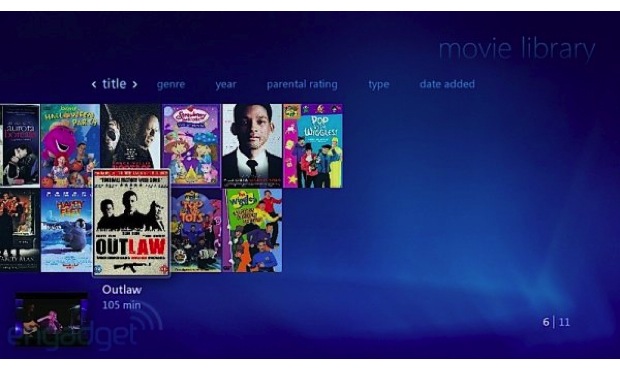
Home theater PC enthusiasts weren't too thrilled when Microsoft announced that it was stripping Media Center and its codecs for DVD playback and broadcast TV from Windows 8 in favor of a paid add-on. The folks from Redmond are offering a temporary reprieve, in an effort to reward early adopters. Windows 8 Media Center Pack is for free to customers who purchase Windows 8 Pro... at least until January 31st 2013. This promo requires that you enter your product key at the company's website in order to receive your free upgrade. Sadly, when the discount period for Pro upgrades ends, so too does the ability to score Media Center for free. Microsoft never revealed the price for its Media Center Pack, only referring to it as "economical." While we appreciate affordable software, there's nothing more cost effective than a freebie.

[Source: Engadget]