Find My iPhone Updated for iOS 7, Breaks App for Non-Developers [Update: Fixed]

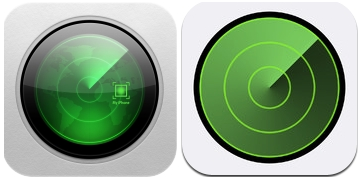
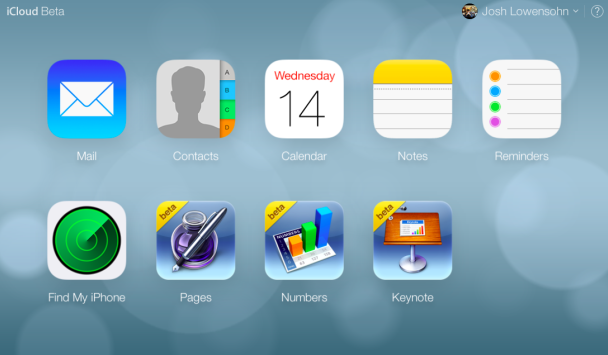
Apple today released an update for Find My iPhone, adding a newly redesigned iOS 7-style icon. The new icon was first introduced on the iCloud.com beta page, which was updated in mid-August with a new set of iOS 7 icons. 

It appears that the newest version of Find My iPhone may have been released prematurely, however, as the update gives an error message to anyone who attempts to use it without a registered developer account (paid or free)...

Read the full story here... Source: Mac Rumours

Apple revamps beta version of iCloud.com with iOS 7 style

Apple's design overhaul for iOS has spilled over to the beta version of its iCloud service.

A new version of the site (beta.iCloud.com), which has Web versions of some of Apple's iOS apps, now sports a similar look and feel to iOS 7, which Apple is expected to release next month.

So far, the changeover has affected e-mail, contacts, calendar, reminders, notes, and find my iPhone. The beta versions of Apple's trio of iWork apps, which Apple is still testing to users, remains unchanged.

The redesign is likely to roll out when iOS 7 is released, but could come sooner.

Source: CNET

iOS 7 Beta 5 Tidbits: Icon Settings Redesign, New Control Center Options

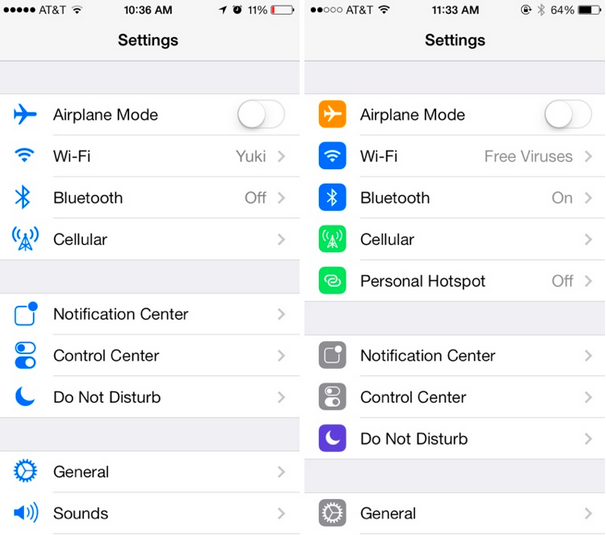
Apple today released the fifth beta of iOS 7, which brings a number of improvements, changes, and bug fixes to the operating system, including newly redesigned Settings icons and a Control Center option that allows the feature to be disabled within apps. 

iOS 7 beta 5 also offers a slew of minor interface tweaks and improvements that continue to make iOS 7 feel both faster and more polished. Our forum members have noted multiple enhancements that have been bundled into the release...

Read the full story here... Source: Mac Rumours

iOS 7 Beta Suggests Non-Retina A6-Powered iPad Mini in Development

According to the iOS 7 beta, Apple is testing a new iPad mini model that includes an A6 chip -- the same as the current iPhone 5 -- and a non-retina display, reports 9to5Mac.

The information was sent to the site by developer Nick Frey, who found the details inside a file that lists all the iOS devices that support iOS 7. The A6 processor would be a logical upgrade for the iPad mini, advancing its main processing chip to the next generation.

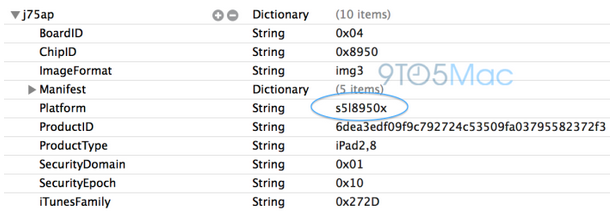
 According to the provided information, Apple is considering three new iPad mini models: iPad “2,8,” iPad “2,9,” and iPad “2,10.” The respective code names for the devices are J75, J76, and J77. This points to one WiFi-only model and two cellular-compatible models (just like the current iPad minis).

As for what these new iPad minis will feature, the references state that the devices include the “s5l8950x” processor. This is the same A6 system-on-a-chip inside of Apple’s iPhone 5, and this would offer significant speed improvements for the iPad mini compared to the current A5-based model.

Current iPad mini models are nicknamed '2,5'; '2,6'; and '2,7'. 9to5Mac also notes that the models don't include references to '@2x' code that relates to Retina-display supported artwork -- that code is included in the iPhone 5 and the fourth-generation iPad, leading the site to conclude that the new mini will not include a Retina display.

KGI Securities analyst Ming-Chi Kuo has vacillated in recent months over Apple's plans for the iPad mini, most recently saying that a Retina-equipped device would launch sometime in March or April of 2014, with Apple not planning to upgrade the device at all until that time.

It's possible that this non-retina iPad mini is merely a device in testing, but while Kuo has a strong track record, it's always possible that Apple could change product release plans at the last minute.

Source: Mac Rumours

 

San Francisco District Attorney Impressed by iOS 7's Activation Lock Feature

After news that government officials would be testing the efficiency of iOS 7’s Activation Lock against thieves, San Francisco District Attorney George Gascón has come out in support of the feature, saying that “clear improvements” have been made to stop criminals, according to the San Francisco Examiner

Last week, Gascón and New York Attorney General Eric Schneiderman brought in security experts from the Northern California Regional Intelligence Center to test out Apple’s Activation Lock feature as well as Absolute Software’s Lojack service on the Samsung Galaxy S4 in order to determine how effective they are against thieves.

"I'm very optimistic that they came and were willing to share their technology with us," Gascón said in a statement, also noting that Microsoft and Google had not yet come forth with their plans to combat theft. Gascón did not detail how the specific features work, explaining that they were not yet finished.

Both attorneys called for the tests as a part of the Secure Our Smartphone (S.O.S) program that aims to stop the theft and black market resale of stolen mobile devices. While carriers have already established a database to track stolen phones, it has proven to be largely futile. Prior to these tests, Gascón and Schneiderman called for smartphones to have a kill switch that would disable them in the event of theft. 

Announced at WWDC, Activation Lock is set to be included in iOS 7, which is expected to be released to consumers this fall.

Source: Mac Rumours


Government Officials Bring in Security Experts to Test iOS 7's Activation Lock Feature

After launching an investigation into the anti-theft practices of smartphone manufacturers like Apple, New York Attorney General Eric Schneiderman and San Francisco District Attorney George Gascón will today test how Apple’s Activation Lock feature holds up against determined thieves, reports CNET

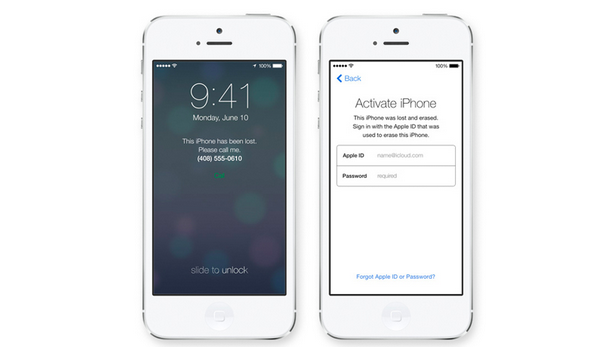
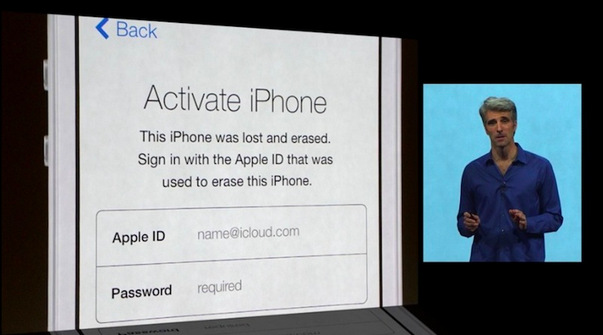
First introduced at WWDC, Activation Lock is designed to prevent Find My iPhone from being deactivated, which keeps stolen iPhones from being wiped and reactivated. The feature is included in iOS 7, which is expected to be released to consumers this fall. 

Gascón and Schneiderman are planning to bring in security experts from the Northern California Regional Intelligence Center to attempt to bypass Activation Lock in order to gain access to an iPhone. The security team will also test the Lojack for Android software on a Samsung Galaxy S4.

 "While we are appreciative of the efforts made by Apple and Samsung to improve security of the devices they sell, we are not going to take them at their word," Schneiderman and Gascón said in a joint statement. "Today we will assess the solutions they are proposing and see if they stand up to the tactics commonly employed by thieves."

The two officials have pushed for greater anti-theft measures from cell phone manufacturers after a spike in mobile device thefts. While carriers agreed last year to develop a centralized database to track stolen phones, it has proven to be largely ineffectual. Both Gascón and Schneiderman have stated that they believe Activation Lock is an inadequate theft deterrent and Gascón has urged Apple to implement a "kill switch" that would permanently disable stolen iOS devices. 

The results of the Activation Lock investigation are expected to be released later today.

Source: Mac Rumours


iOS 7 Beta Suggests iWork, iLife iOS Apps May Soon Be Free

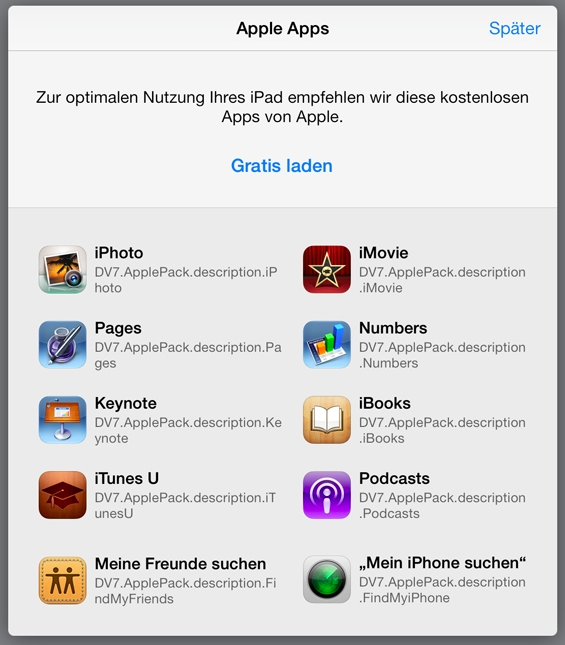
A welcome screen discovered in the iOS 7 beta suggests that Apple's iWork and iLife iOS applications may be available for free when the OS launches this fall, according to German site ifun.

The download screen is similar to this one that was discovered in the iOS 6 beta last year. It encourages customers to download free Apple apps to "get the most out of your iPhone."

iPhoto and iMovie are available on the App Store for $4.99 each, while Pages, Numbers and Keynote are $9.99. GarageBand is missing from the screen, but there is no reason to think it would not go free as well.

The launch of iWork for iCloud at WWDC in June suggested that iWork could become free, as no pricing was mentioned at the show. Offering Apple's polished iWork and iLife applications for free -- much like iLife apps have always been free with the purchase of a new Mac -- would be a strong differentiator for the iPhone and iPad.

Source: Mac Rumours

New Accessibility Options in iOS 7 Allow iPad or iPhone to be Controlled with Head Movements

This afternoon, a tipster who spoke to 9to5Mac pointed out a new feature in iOS 7's Accessibility menu, which allows iPhone users to control their devices using head movements. 

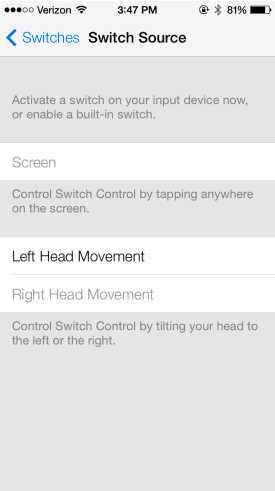
The option can be found in the Switch Control area of the Accessibility menu, which is designed for users who need assistance with physical and motor movements. 

Switch Control allows you to use your iPhone by sequentially highlighting items on the screen that can be activated through an adaptive accessory.

With the feature activated, specific movements can be used to correspond with actions. For example, the setting can be programmed to allow a left head movement to activate a tap, while a right head movement can be programmed to perform to another function.9to5Mac went hands-on with the feature:

We've tested this ourselves and found it to be quite accurate, but it's quite tedious to control your device this way since it cycles through all of the options on the screen and you move your head when it is bordering around the option you want. 

You can also make the left or right head movement act as a home button, start Siri, open Notification Center, open the App Switcher, decrease volume, increase volume, or simply tap.

It is important to note that Switch Control head movements are a beta function and should be used with caution, as the setting disables touch input. 

Apple has always had a heavy focus on accessibility, and over the years has worked to provide accessibility options for vision, hearing, motor skills, and learning, turning the iPad and the iPhone into fully featured assistive devices. iOS 7 promises to bring even more accessibility options, further increasing the utility of Apple's devices.

Source: Mac Rumours


iOS 7 beta 2 arrives with bug fixes, iPad version

Apple on Monday released the second beta of iOS 7, exactly two weeks after the first iteration of the software was doled out to developers.

The new version promises only to fix bugs and contains other undocumented "improvements."

But the big new thing in this release is a version of the software for iPads -- both the regular and Mini models. The first version of the software only came for iPhones and iPod Touches, with Apple promising to add support for other devices as time went on.

The software requires developers to sign a privacy agreement, but that hasn't stopped numerous developers and some blogs from posting extensive hands-on previews of the new OS.

It's been standard practice for Apple to roll out several beta versions of the software before it's released to the public, which Apple has said will happen in the fall. In terms of how many more of these to expect, iOS 6 had four different beta versions between its June debut and late September release last year.

Perhaps not since 2010's iOS 4 (which brought multitasking) has there been quite so much scrutiny on just what Apple's up to with these interim updates. iOS 7 is a massive visual and, in some cases, functional overhaul of the versions that came before it, and many things are expected to change before it's officially released.

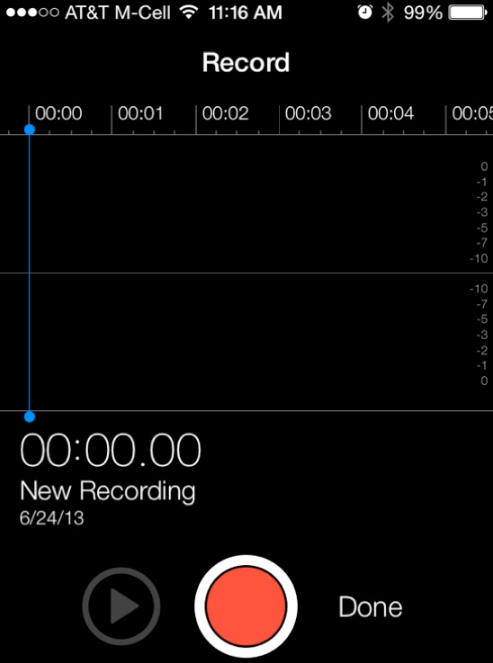
Update: The software also brings back a reworked version of Apple's voice memos application, which has been a built-in utility since 2009's iOS 3.0, though was not provided in the initial beta of iOS 7.

Source: CNET

iOS 7 Beta 2 Tidbits: New Welcome Screen, Updated Siri Voices, iCloud Fixes, Voice Memos App

Apple seeded iOS 7 beta 2 to developers today, adding a number of new and improved features to the operating system including support for the iPad, improved Siri integration, and the missing Voice Memos app. 

iOS 7 beta 2 also brings a slew of minor interface tweaks that make the second version of the beta feel far more polished. Here are some of the more significant changes that can be found in the update: 

Welcome Screen: iOS 7 beta 2 introduced a new Welcome Screen that asks for an iCloud password, allows users to turn on iMessages and choose associated email addresses, and set up a passcode on the device. 

Voice Memos: The Voice Memos app was missing from the first iOS 7 beta, but with beta 2, the app has returned and is now fully functional...

Read the full story here. Source: Mac Rumours 

iOS 7 looks great, but can it lure this Android user?

iOS 7 is still not quite the Droid I've been looking for in an iPhone.

I've been an Android devotee for about three years now, but ever since the introduction of theiPhone 4S and Siri -- something totally new running on a nice piece of hardware -- I've been considering making the switch to iOS. As intriguing and enticing as the 4S was, I balked due to the lack of LTE. The iPhone 5 fixed that, but by then iOS seemed stale to me, and the lack of any major new innovations kept me tapping away on my aging Droid Razr and led me to declare that the iPhone and the ascendant Apple of this century's first decade had peaked. (Actually, the phrase I used was "jumped the shark" -- I suggest reading the original post for an explanation.)

So I watched with great interest on Monday as Apple unveiled a reboot to its mobile operating system in the form of iOS 7, which is being hailed as beautiful and ambitious. CNET editors have dubbed it a "radical new look" and part of Apple's "quest for perfection and the devotion to creating objects of profound and enduring beauty," as our Dan Farber put it...

Read the full story here. Source: CNET


iOS 7 Beta Tidbits: Per-App Cellular Data Usage, Live Clock Icon, Panoramic Wallpaper and More

While the most obvious change in iOS 7 is the look and feel of the user interface, Apple's engineers have packed the update with numerous changes both big and small. 

Here are a selection of changes noticed by folks in the MacRumors Forums and elsewhere. 

Cellular Data Tracking by App - In Settings / Cellular, users can track cellular data usage on a per-app basis. Apps can have their cellular data access disabled individually as well. 

Update Apps Manually - The App Store now updates apps automatically, but for users who prefer to handle things themselves, automatic updates can be disabled via a slider in Settings / iTunes & App Stores. 

How to Get to Spotlight - Spotlight is now accessible from the home screen by swiping down from the middle of the screen. Additionally, in Settings / General / Spotlight Search, users can manually turn search result categories on and off, as well as change the order results are presented in. 

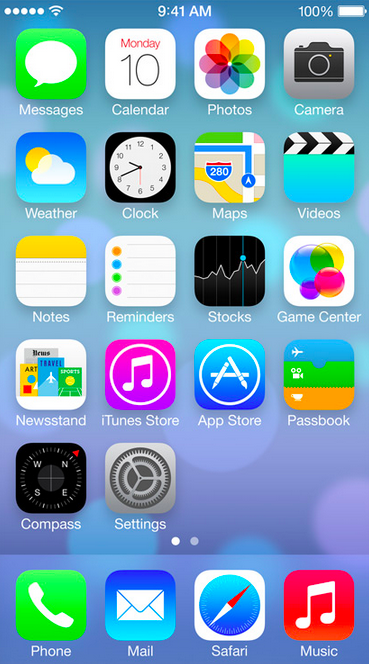
Live Clock Icon - The clock icon provides the correct time, including a live second hand. The weather app does not update -- it is always partly cloudy. 

Newsstand Has Permanent Icon - Newsstand's icon remains the same regardless of what publications are inside it. The app itself works similarly, though the design is substantially different. Newsstand can now be put inside a folder as well. 

App Permission for Microphone Access - Apps are now required to ask permission to access the microphone, similar to how apps currently ask to access location data or the camera. 

Multitasking Switcher Works in Landscape - The app switcher works in landscape mode. Double-tap the home button to access. Control Center can also be used in landscape. Apps can also be manually quit by swiping up, and multiple apps can be closed at the same time...

Read the full story here. Source: Mac Rumours